Two Worlds, One Career: What It Really Takes to Thrive Across Audio and Visual Storytelling
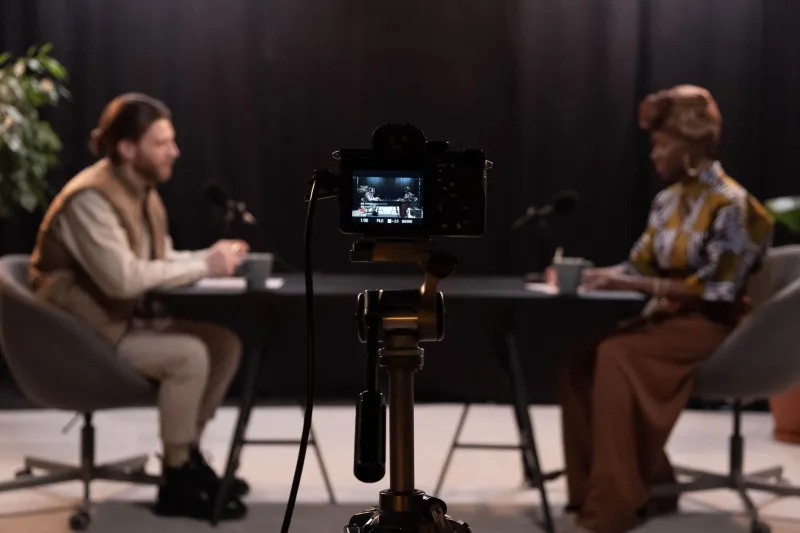
There's a particular kind of mental gymnastics that happens when you spend a morning behind a microphone and an afternoon in front of a camera. The rules shift. The energy changes. What works in one space can fall completely flat in the other, and if you're not paying attention, you'll find yourself defaulting to habits that belong to a different medium entirely.
For Scott Alan Ciolek, that tension isn't a problem to solve — it's a rhythm to master. Over the course of a career that has touched radio, podcasting, television, and digital media, the ability to move between audio and visual storytelling hasn't just been a professional asset. It's become the defining feature of how he approaches entertainment altogether.
The Microphone Teaches You to Listen Differently
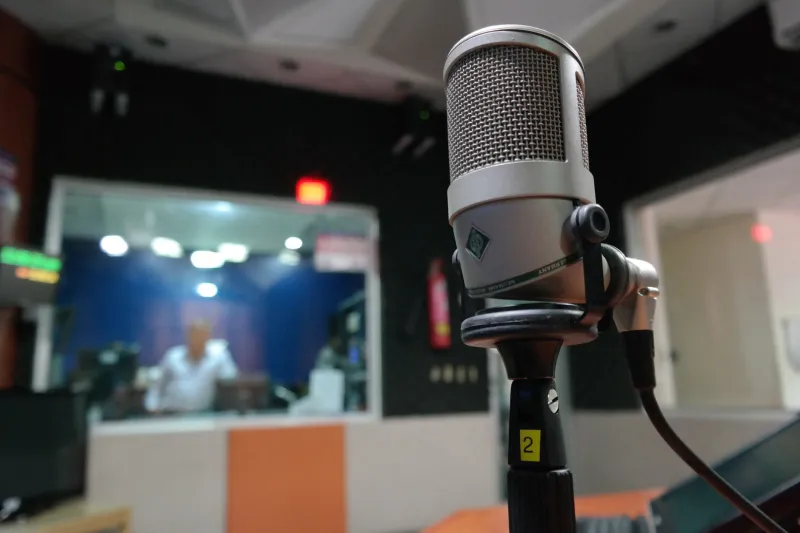
Audio is an intimate medium. When you're behind a mic — whether you're recording a podcast, doing voiceover work, or hosting a radio segment — everything you communicate travels through sound alone. There's no body language to lean on, no facial expression to soften an awkward moment, no visual cut to rescue a rambling thought. You learn very quickly that silence has weight, that pacing is everything, and that a listener's attention is fragile in a way that a viewer's isn't quite the same.
For Scott, time spent in audio production sharpened a kind of editorial discipline that doesn't always come naturally in visual formats. When every word has to carry its own freight, you start cutting ruthlessly. You stop reaching for filler. You learn to trust a well-placed pause more than a string of explanations.
That discipline, it turns out, translates beautifully once you step in front of a camera — even if it takes some adjustment to remember that the camera is now doing half the work for you.
What the Camera Demands That the Mic Doesn't
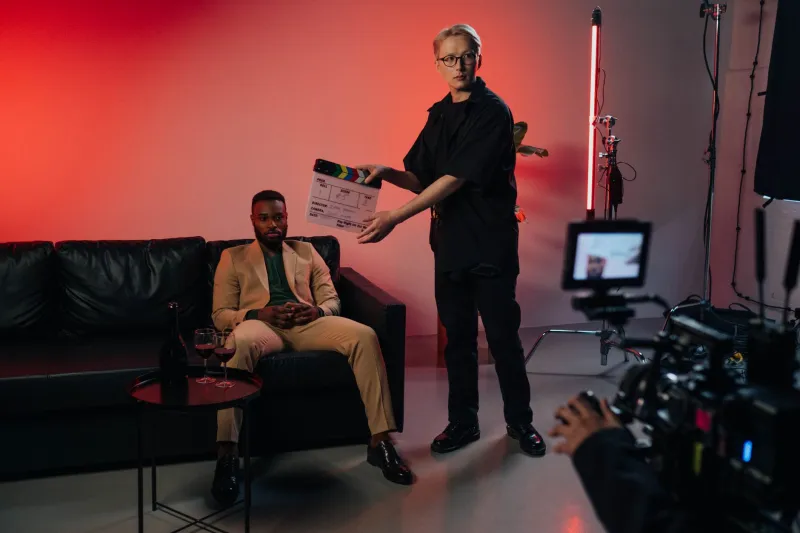
Television and video content operate on a completely different set of instincts. Suddenly, the way you hold yourself matters. The energy you project physically has to match the energy in your voice. Viewers are processing information through multiple channels simultaneously, which means the margin for inconsistency is actually much smaller than it might seem on the surface.
Scott has talked about the learning curve that comes with understanding how to be present on camera — not performative, but genuinely engaged in a way that reads through a lens. It's a subtle distinction, but it's the difference between someone who looks like they're acting comfortable and someone who actually is.
What the camera demands, more than almost anything else, is authenticity at scale. You have to be yourself, but a version of yourself that can hold the attention of an audience that has approximately a thousand other things they could be watching instead. In the American media landscape especially, where content competition is relentless and viewer loyalty is hard-won, that skill is non-negotiable.
The Mindset Shift Nobody Warns You About
Here's the thing that doesn't get discussed enough when people talk about working across multiple entertainment formats: the hardest part isn't technical. It's psychological.
Every medium has its own culture, its own pace, and its own unspoken set of expectations. Radio has a certain looseness to it, a conversational quality that rewards spontaneity. Podcast production can be more deliberate, more willing to sit with complexity. Television moves fast and tends to reward people who can hit their marks — literally and figuratively — without a lot of runway.
Learning to code-switch between these environments without losing your core identity is genuinely difficult. Scott's approach has always been to anchor himself in the story first — the medium is just the delivery mechanism. When you stay focused on what you're actually trying to communicate, the technical adjustments become secondary. The voice doesn't change; only the vessel does.
Relationships Are the Real Infrastructure
No conversation about building a multi-medium career in American entertainment is complete without acknowledging the role that professional relationships play in making it sustainable. The people who can move fluidly between audio and visual work aren't just skilled — they're trusted. They've built a reputation for showing up prepared, being easy to collaborate with, and delivering consistently across different contexts.
For Scott Alan Ciolek, those relationships have been cultivated over years of showing up — for producers, for co-hosts, for directors, for audiences. The entertainment industry in the US is large, but the communities within it are surprisingly tight-knit. A reputation for versatility and reliability travels fast in those circles, and it opens doors that raw talent alone often can't.
There's also something to be said for the cross-pollination that happens when you maintain relationships across different corners of the industry. The contacts you make in radio lead to podcast opportunities. The credibility you build in podcasting opens doors in digital video. The visibility from television work brings new audiences to everything else. It compounds over time in ways that are hard to predict but impossible to ignore.
Why Versatility Is the New Longevity
The American media landscape has undergone a seismic shift over the past two decades, and it's not slowing down. Streaming fragmented television. Podcasting exploded into a legitimate industry. Social media turned everyone with a smartphone into a potential content creator. The platforms keep multiplying, and the formats keep evolving.
In that environment, specialists have their place — but generalists who can tell a compelling story in multiple formats have a kind of staying power that's increasingly rare and increasingly valuable. The ability to pivot when a platform changes, to carry an audience from one medium to another, to stay relevant across different contexts — that's not just a career strategy. It's a survival skill.
Scott Alan Ciolek's career is, in many ways, a case study in that kind of adaptability. Not because he chased every trend or tried to be everything to everyone, but because he stayed committed to the craft of storytelling itself — and let that commitment guide him through whatever format came next.
The Ongoing Conversation Between Two Worlds
At the end of the day, the microphone and the camera aren't really opposites. They're different dialects of the same language. Learning to speak both fluently doesn't dilute your voice — it deepens it. You start to understand storytelling not as a fixed set of rules but as something alive and adaptive, something that changes shape depending on who's listening and how they're tuned in.
That's the real reward of building a career that spans multiple mediums. Not the résumé line, not the range of credits — but the understanding that comes from having told the same kind of stories in very different rooms, and having learned something new every single time.