One Story, Many Screens: How Scott Alan Ciolek Navigates the Craft Across Every Medium
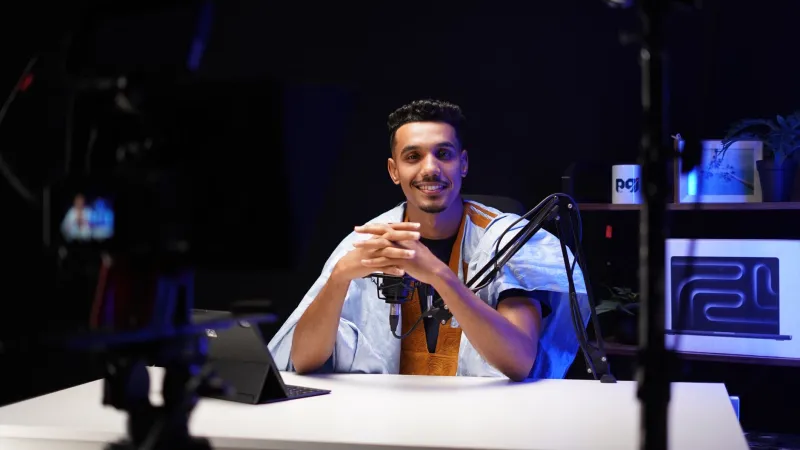
There's a moment every storyteller knows — that split second before the mic goes hot or the camera starts rolling when you have to decide what kind of story you're actually telling. Not the topic, not the format. The feeling you want to leave with the audience. For Scott Alan Ciolek, that moment has happened hundreds of times across radio booths, video sets, and digital studios. And what's remarkable isn't just how often he's been in that position — it's how consistently his answer has shaped everything that follows.
In an entertainment industry that's moved faster in the last decade than it did in the previous fifty years, staying creatively grounded is harder than it sounds. Streaming platforms have rewritten the rules of episodic content. Podcasting turned audio into a prime-time format. Short-form video on social platforms condensed storytelling into fifteen-second windows. Somewhere in the middle of all that disruption, Ciolek built a career that didn't just survive the changes — it leaned into them.
The Medium Changes. The Mission Doesn't.
One of the most consistent threads running through Ciolek's work is the idea that the medium is a tool, not a destination. Whether he's working in audio or video, the question he's always asking is the same: What does this audience actually need from this story right now?
That sounds simple, but it's surprisingly rare in practice. A lot of content creators — especially those making the jump from traditional broadcasting to digital platforms — fall into the trap of treating each format like a completely separate discipline. They over-produce for video. They underestimate audio. They chase trends on social media without understanding why those trends work.
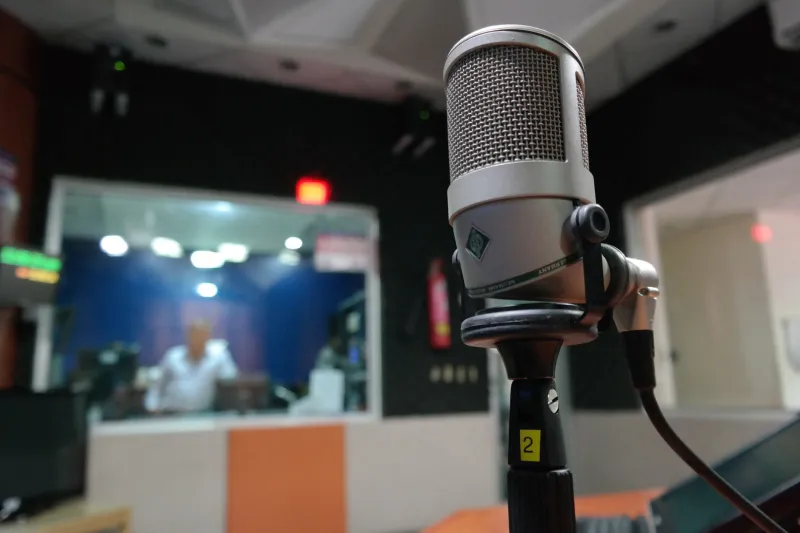
Ciolek's approach is more instinctive than formulaic. Audio, he's noted, is an intimate medium. When someone's listening through earbuds on a morning commute or winding down at night, the connection is almost one-on-one. The pacing has to breathe differently. Silence carries weight. Word choice matters more because there's no visual to compensate for a clunky phrase.
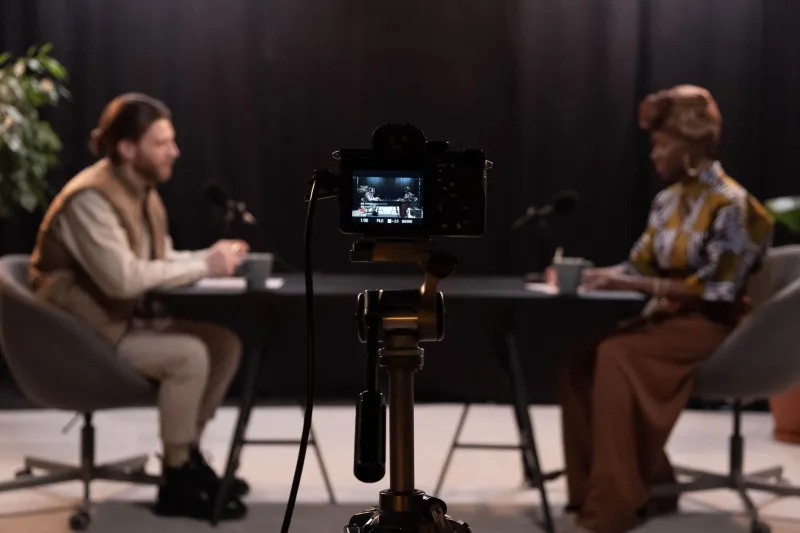
Video, on the other hand, layers in an entirely different set of responsibilities. Now you're managing what the viewer sees alongside what they hear. That means editing rhythms, visual tone, framing — all of it becomes part of the storytelling vocabulary. Ciolek has talked about how working across both mediums actually made him better at each one, because understanding audio sharpened his ear even when he was working on a visual project, and vice versa.
Streaming, Podcasting, and the New Rules of Audience Attention
The US entertainment landscape has fundamentally shifted around audience attention. People aren't just consuming content differently — they're deciding differently. The average American now has access to more audio and video content than any generation before them, which means the competition for attention has never been steeper.
For career professionals like Ciolek, that shift created both pressure and opportunity. The pressure is obvious: if you're not relevant, you're invisible. But the opportunity is something a lot of industry veterans miss. The explosion of podcasting, YouTube channels, and streaming originals didn't just create more content — it created more niches. More specific audiences. More room for voices that don't fit neatly into the old broadcast mold.
Ciolek's career sits comfortably at that intersection. He's not a purist who dismisses digital formats as lesser than traditional media, and he's not a digital-first evangelist who thinks everything that came before is obsolete. He occupies the middle ground — someone who understands the craftsmanship that broadcast traditions built while also recognizing that those traditions need to evolve to stay alive.
That perspective is increasingly valuable. Emerging creators often learn production skills before they learn storytelling instincts, which can produce technically polished content that feels emotionally hollow. Ciolek's approach flips that priority. Get the story right first. The technical execution is in service of that story, not the other way around.
What Emerging Creators Can Actually Take Away
If you're building a career in entertainment or media right now — whether that's a podcast, a YouTube channel, a production role at a streaming company, or anything in between — there are a few things Ciolek's trajectory suggests are worth paying attention to.
Develop fluency across formats, not just mastery of one. The creators who are most resilient in this industry aren't the ones who went deep on a single platform and stayed there. They're the ones who understood how storytelling principles translate across mediums. A great audio producer who understands visual pacing is more valuable than one who doesn't. Full stop.
Respect the audience's time and intelligence. This sounds obvious, but it's constantly violated. Short-form content doesn't mean shallow content. Some of the most emotionally resonant work being done right now is happening in formats that run under ten minutes. The constraint forces clarity. Ciolek's instinct has always been to trust the audience — to give them credit for being able to follow a story without over-explaining it.
Consistency is the underrated creative skill. In an industry obsessed with virality and breakthrough moments, the slow build of a consistent creative voice gets undervalued. Ciolek's career is a case study in showing up and doing the work across years, not just moments. That kind of longevity doesn't happen by accident. It's built on a philosophy that doesn't change just because the formats around it do.
Tradition and Innovation Aren't Opposites
Maybe the most useful thing about looking at a career like Ciolek's is what it says about the false choice between honoring craft traditions and embracing new ways of working. The entertainment industry loves to frame these as opposing forces — old media versus new media, broadcast versus digital, long-form versus short-form.
The reality is messier and more interesting than that. The best storytellers have always adapted. Radio producers learned television. Television directors learned streaming. The tools changed; the underlying commitment to connecting with an audience didn't.
Ciolek's philosophy — stay curious, respect the medium you're working in, and never lose sight of what the audience needs — isn't revolutionary. But in a landscape that rewards novelty over substance, it's quietly radical. And for anyone trying to build something lasting in US entertainment, that might be exactly the kind of grounding worth holding onto.
The mic might be different. The screen might be different. But the story? That's always been the point.